October 22, 2026
Painting Service FAQs: Answers Melbourne Homeowners Ask Most
By @melbpaint84019572
Undertaking a painting project can transform the appearance, value, and structural integrity of your home. However, Melbourne homeowners face unique challenges, from erratic weather patterns across Port Phillip Bay to strict heritage overlays in historic suburbs. Whether you are refreshing a classic Victorian terrace in Carlton, a post-war brick home in Coburg, or a contemporary build in Point Cook, choosing the right approach is critical. Below are detailed, straightforward answers to the most common questions property owners ask when hiring a professional painting service in Melbourne.
How Often Should a Melbourne Home Be Repainted?
The lifespan of a paint job depends heavily on surface exposure, application quality, and whether the focus is inside or outside the property.
For exterior painting, the typical timeline ranges between seven and ten years. However, Melbourne's climate—famous for delivering dramatic temperature swings within a few hours—tests external coatings continuously. Weatherboard houses, particularly those facing north or west where harsh ultraviolet rays hit unobstructed, often require maintenance or a full repaint closer to the six- to seven-year mark. Rendered brickwork tends to hold up slightly longer, frequently lasting up to ten or twelve years if high-grade elastomeric membranes were used during initial application.
For interior painting, repainting cycles are dictated more by lifestyle than weather. High-traffic zones such as hallways, kitchens, and children's bedrooms generally benefit from fresh coats every five to seven years to eliminate scuffs, grease accumulation, and general wear. Ceilings and formal rooms with lower daily foot traffic can easily maintain their beauty for ten to fifteen years before requiring attention from professional painters.
What Does Professional House Painting Cost in Melbourne?
Accurate quotes vary based on architectural style, wall condition, accessibility, and prep requirements. In 2026, standard rates across greater Melbourne reflect both supply chain conditions and professional labor rates for certified tradespeople.
On average, comprehensive interior projects for a standard three-bedroom, two-bathroom house range from $4,500 to $9,000, depending on whether doors, window frames, skirting boards, and ceilings are included. Exterior projects on a similar-sized single-storey home usually sit between $6,000 and $13,000. Double-storey properties, or older timber homes requiring extensive lead paint management and scaffolding, can run significantly higher.
A reputable painting contractor will typically evaluate the following factors when preparing an estimate:
- Surface Condition: Homes requiring peeling paint removal, wood rot repairs, plaster patch repairs, or gap filling require significantly more labor before painting begins.
- Accessibility: Multi-storey buildings, sloped blocks, and tight boundary clearances common in inner-city suburbs demand specialized scaffolding, edge protection, or elevated work platforms.
- Materials Specified: Premium, self-priming, UV-reflective, and mould-resistant paints carry higher material costs but deliver superior durability against coastal moisture and UV radiation.
- Detailed Trim Work: Intricate fretwork, colonial sash windows, and ornate decorative cornices take considerably more brush time than flat walls and square-set ceilings.
When Is the Best Time of Year for Exterior Painting in Melbourne?
Timing an exterior project requires careful consideration of ambient temperature and relative humidity. Paint needs stable conditions to dry and cure correctly; otherwise, problems like blistering, wrinkling, or premature fading occur.
Autumn (March through May) is widely regarded by professional painters as the golden window for exterior work in Melbourne. Temperatures during these months tend to sit comfortably between 18°C and 25°C, accompanied by lower humidity and fewer volatile rain fronts. Spring (September through November) is another popular choice, though unpredictable rainfall requires close monitoring of weather forecasts.
Mid-summer heatwaves with temperatures exceeding 35°C can cause paint to dry almost instantly upon hitting the surface, preventing proper film formation and leaving visible lap marks. Conversely, the damp cold of June and July slows drying times significantly, raising the risk of dew leaching and wash-offs. Skilled tradespeople will adjust their daily work schedules around sunlight exposure—working on the shaded sides of the house as the sun tracks across the sky.
What Is the Difference Between Interior and Exterior Paint Formulas?
Paint is engineered specifically for its operating environment, and using interior paint outside or exterior paint inside leads to fast failure and potential indoor health issues.
Exterior coatings contain flexible acrylic binders designed to expand and contract as weatherboard and masonry shift with Melbourne's seasonal moisture changes. They also feature heavy doses of UV absorbers, anti-fungal biocides, and mildewcides to resist mould growth during damp winters. These protective additives release compounds meant to dissipate safely into open outdoor air.
Conversely, interior painting products prioritize scrubbability, stain resistance, and indoor air safety. Modern interior paints formulated in 2026 prioritize ultra-low or zero volatile organic compounds (VOCs). These formulations drastically reduce chemical off-gassing, allowing residents to occupy freshly painted rooms shortly after application without suffering from harsh fumes or lingering chemical odors.
How Extensive Is the Preparation Process?
Surface preparation accounts for up to 70% of the total labor time in any durable house painting project. Applying paint directly over dirty, flaky, or chalky walls guarantees peeling within twelve to eighteen months.
A meticulous preparation workflow executed by an experienced team involves several distinct stages:
- Cleaning: Removing dirt, grease, and airborne pollutants using pressure washers on outdoor surfaces or sugar soap mixtures on interior walls.
- Scraping and Sanding: Stripping loose, flaking paint back to a stable edge, followed by thorough mechanical or hand sanding to create a mechanical "key" for the new paint.
- Repairs and Sealing: Filling dents, settling cracks, and gouges with appropriate flexible exterior fillers or interior joint compounds, alongside caulk sealing around window casings.
- Priming: Spot-priming bare timber, masonry patches, or water stains with specialized primers to stop tannin bleed and guarantee consistent adhesion.
Do Heritage Overlays Affect Paint Colors in Melbourne?
Many inner-ring municipalities—such as the City of Melbourne, City of Yarra, Port Phillip, and Boroondara—enforce strict heritage overlay guidelines to preserve historical streetscapes. If your property is heritage-listed, repainting may be regulated.
In most residential heritage zones, painting non-original colors on external surfaces visible from the public street requires planning approval or adherence to predetermined historical palettes. Traditional color schemes featuring Brunswick green, Indian red, heritage cream, and rich ochres are often mandated for period architectural features. Before purchasing materials, always check with your local council's planning department. Professional local painting contractors can guide you through compliant historical swatches to avoid non-compliance notices.
How Do You Select a Reliable Painting Contractor?
Hiring the right team ensures peace of mind, quality artistry, and project efficiency. Always verify that your prospective contractor holds current public liability insurance (minimum $10 million coverage is standard) and valid WorkSafe registration.
Request itemized quotes that specify the exact brands and tiers of paint to be used, the number of coats included (usually one primer/sealer and two topcoats), and detailed surface preparation steps. Avoid vague quotes that only state "paint house." Reputable tradespeople will gladly provide written warranties on workmanship, outline waste disposal practices, and share references or portfolios of recently finished homes across Melbourne.
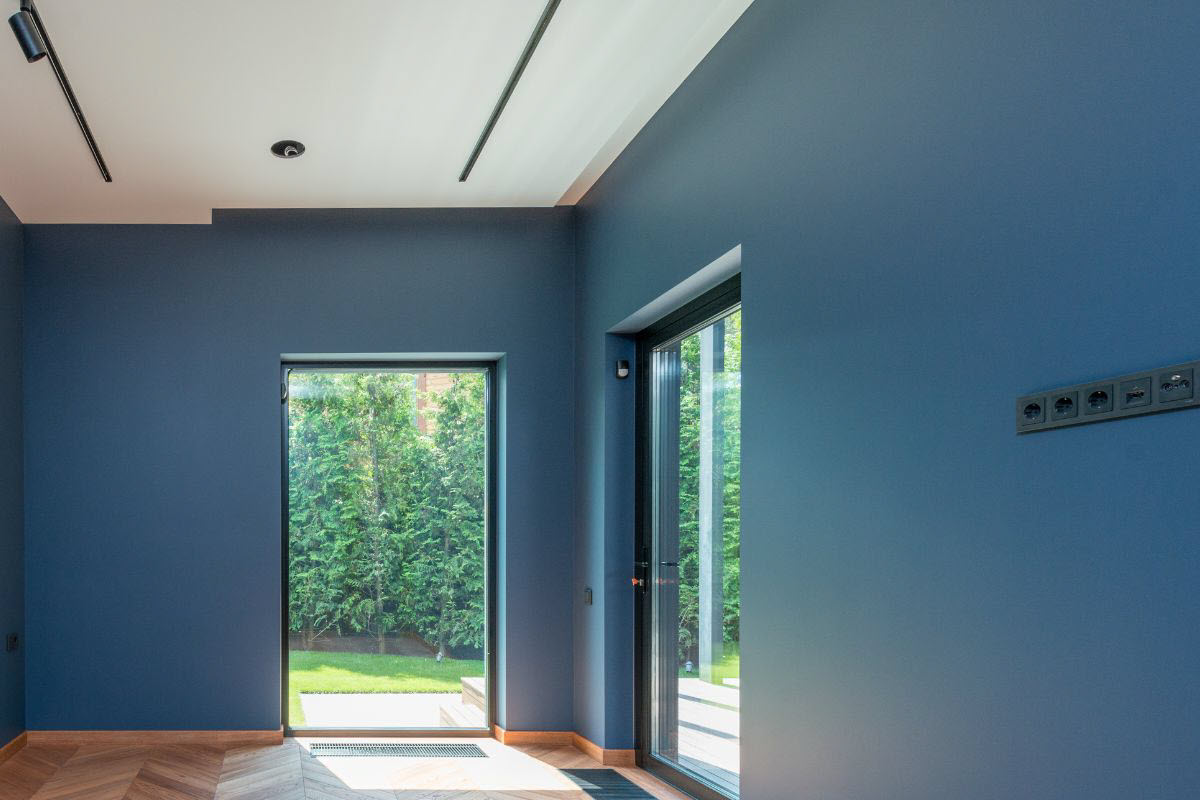
Investing in skilled trade professionals for your residential painting protects your asset against moisture intrusion, sun degradation, and everyday wear, delivering an elevated aesthetic you can enjoy for years to come.
Melbourne House Painting Pros
2/147 Swan St, Richmond VIC 3121
(03) 4051 5313
❧